
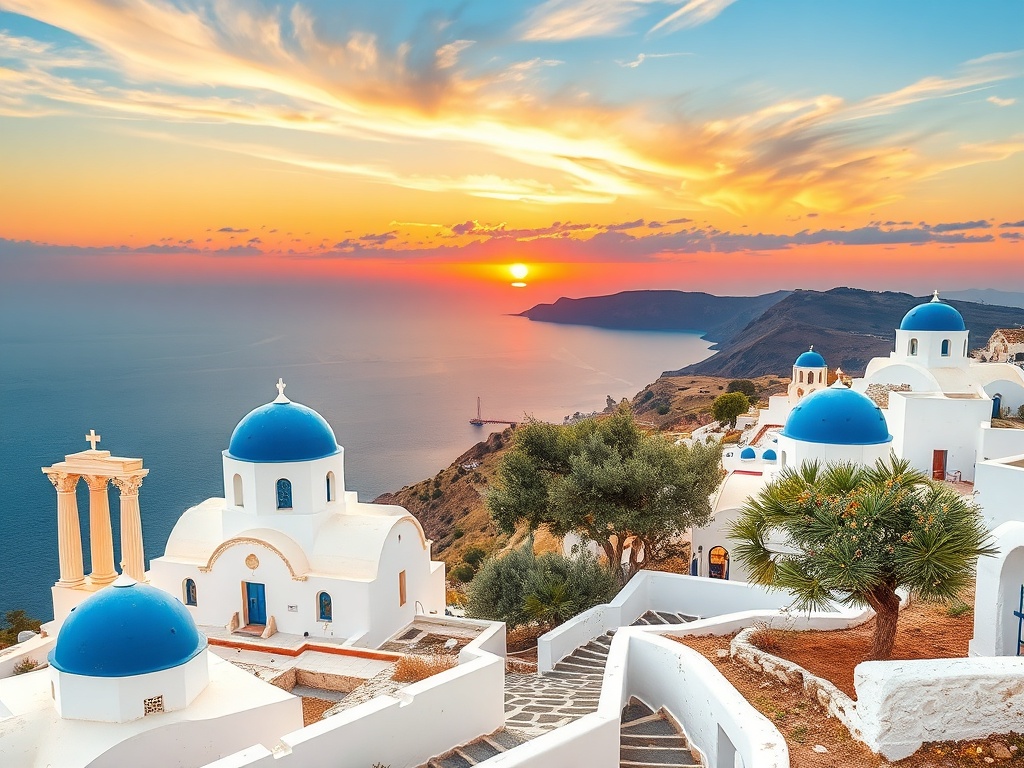
Greece, renowned for its breathtaking landscapes, vibrant culture, and rich history, is a popular destination for both tourists and expatriates. The country’s climate offers a variety of experiences throughout the year. When considering a move to Greece for work or extended living, understanding the nuances of each season is crucial. This guide delves into the weather patterns and events associated with each season, helping you make an informed decision about the best time to reside and work in Greece.
Spring (March to May)
Weather
Spring in Greece is magical. The season kicks off with mild temperatures, ranging from around 15°C (59°F) in March to a comfortable 25°C (77°F) by May. As nature awakens, the landscape bursts into color with wildflowers and blooming trees, especially in the countryside and on the islands. The sun shines pleasantly, and occasional rain showers refresh the earth.
Events
- Greek Orthodox Easter: One of the most important celebrations in the Greek calendar, Easter festivities include local traditions such as dyeing eggs, roasting lamb, and attending midnight church services. Each region has unique customs; for example, in Corfu, a local tradition involves throwing pots from balconies to celebrate the resurrection.
- Athens Spring Festival: This cultural event features performances of classical and contemporary music, dance, and theatre, drawing artists from both Greece and abroad. It’s an excellent opportunity for networking and experiencing Greece’s rich cultural tapestry.
- Wine Festivals: Various regions, especially in places like Nemea and Santorini, celebrate the harvest season with local wine festivals that showcase their famed vineyards.
Pros for Living and Working
- Ideal Outdoor Conditions: The pleasant weather makes it perfect for outdoor work or activities like hiking the ancient trails of Crete or cycling along coastal roads.
- Cultural Immersion: Festivals and events enhance community engagement, allowing expatriates to connect with locals and immerse themselves in Greek traditions.
- Less Crowded: Compared to peak summer, tourist attractions are less crowded, offering a more authentic experience of Greece.
Considerations
While spring is largely favorable, it can still be unpredictable. A sudden cold snap or rain may occur in early spring, so layering is recommended for outdoor work.
Summer (June to August)
Weather
Summer in Greece is characterized by hot, dry days. Coastal regions often experience temperatures that soar above 30°C (86°F), while some inland areas can exceed 40°C (104°F). The islands, thanks to sea breezes, are usually more bearable and invite sun-seekers and beachgoers.
Events
- Athens Festival: Running from June through September, this festival presents an impressive lineup of theatrical performances, concerts, and art exhibitions in venues such as the ancient Odeon of Herodes Atticus.
- Island Festivals: Each island has its distinctive celebrations. For instance, the Feast of the Assumption in August features processions, feasts, and music, creating a vibrant atmosphere.
- Full Moon Celebrations: On select summer nights, archaeological sites open to the public to celebrate the full moon with special programs, accompanied by music and dance.
Pros for Living and Working
- Lively Atmosphere: The warm weather and festive spirit create a vibrant atmosphere, conducive to socializing and networking.
- Job Opportunities: The tourism and hospitality sectors are booming, with ample opportunities in hotels, restaurants, and tour companies. Seasonal work can be an excellent option for newcomers.
- Cultural Diversity: Summer attracts people from around the world, fostering a multicultural environment where you can meet new friends and exchange ideas.
Challenges
However, the heat can be intense. Outdoor work may be exhausting, and the crowds may be overwhelming in popular tourist areas. It’s essential to stay hydrated and seek shade during the hottest parts of the day.
Autumn (September to November)
Weather
As summer fades, autumn brings cooler temperatures and stunning landscapes painted with vibrant fall colors. September can still be quite warm, reaching up to 30°C (86°F), but by November, temperatures drop to around 15°C (59°F). The weather is generally stable, with less rain compared to spring.
Events
- Ohi Day: Celebrated on October 28, this national holiday commemorates Greece’s defiance against Axis occupation in WWII. Parades, flag-waving, and speeches create an atmosphere of national pride.
- Athens International Film Festival: This event showcases an array of films, both domestic and international, providing a platform for filmmakers and fostering a love for the arts within the community.
- Harvest Festivals: Many rural areas celebrate the grape and olive harvests with local festivities that often include traditional music, dancing, and copious amounts of local food and wine.
Pros for Living and Working
- Mild Climate: The comfortable temperatures make it perfect for working outdoors or exploring cultural sites without the intense heat.
- Less Tourist Traffic: The reduction in tourists allows for a more settled lifestyle and the chance to enjoy the local culture without the typical summer hustle and bustle.
- Work Opportunities: Many businesses are gearing up for the winter, with regular job postings and opportunities becoming more common.
Drawbacks
While autumn is generally pleasant, the arrival of rainfall towards late November may hinder outdoor activities.
Winter (December to February)
Weather
Winter in Greece varies greatly by region. In the north, temperatures can drop below 10°C (50°F), while southern areas maintain a milder climate. Snowfall is common in mountain areas, creating beautiful landscapes and opportunities for winter sports.
Events
- Christmas and New Year Celebrations: The winter holidays bring communities together to celebrate with markets, local foods, and festive events. Traditional Greek Christmas sweets and baked goods fill the kitchens.
- Carnival Season: The lead-up to Lent features vibrant carnivals, particularly in places like Patras, known for its grand parades and elaborate costumes. This lively atmosphere includes music, dancing, and street celebrations.
- Thessaloniki International Film Festival: Taking place in November, though straddling into winter, this event showcases international cinema and attracts filmmakers, actors, and industry professionals.
Pros for Living and Working
- Calm and Quiet: Winter is a quieter time, ideal for focused work, personal projects, or simply enjoying the serenity of the Greek countryside and its picturesque landscapes.
- Cultural Experience: Warm hospitality during the festive season creates a sense of community, offering opportunities to participate in cultural activities and forge connections.
- Affordable Living: With lower tourist traffic, costs for accommodation and other expenses may drop, making it an appealing time for those on a budget.
Challenges
Although winter can be peaceful, many tourist-centric businesses slow down or close, leading to fewer job opportunities in those sectors. Additionally, the unpredictable weather might limit outdoor activities.
Conclusion
Ultimately, the best seasons to live and work in Greece hinge on personal preferences and lifestyle choices. Spring and autumn stand out for their pleasant weather and cultural richness, while the festive summer offers excitement and job opportunities in tourism. By contrast, winter provides a tranquil atmosphere, fostering deep cultural connections and a chance for reflection.
Regardless of when you choose to experience Greece, the country’s beauty and warmth are sure to enrich your life and work experience. Embrace the culture, engage with locals, and savor the lifestyle—all while enjoying the unique seasonal offerings that Greece has to offer. Whether you are drawn by the allure of summer festivals or the charm of winter festivities, you are bound to discover the joy of living in this remarkable country.