
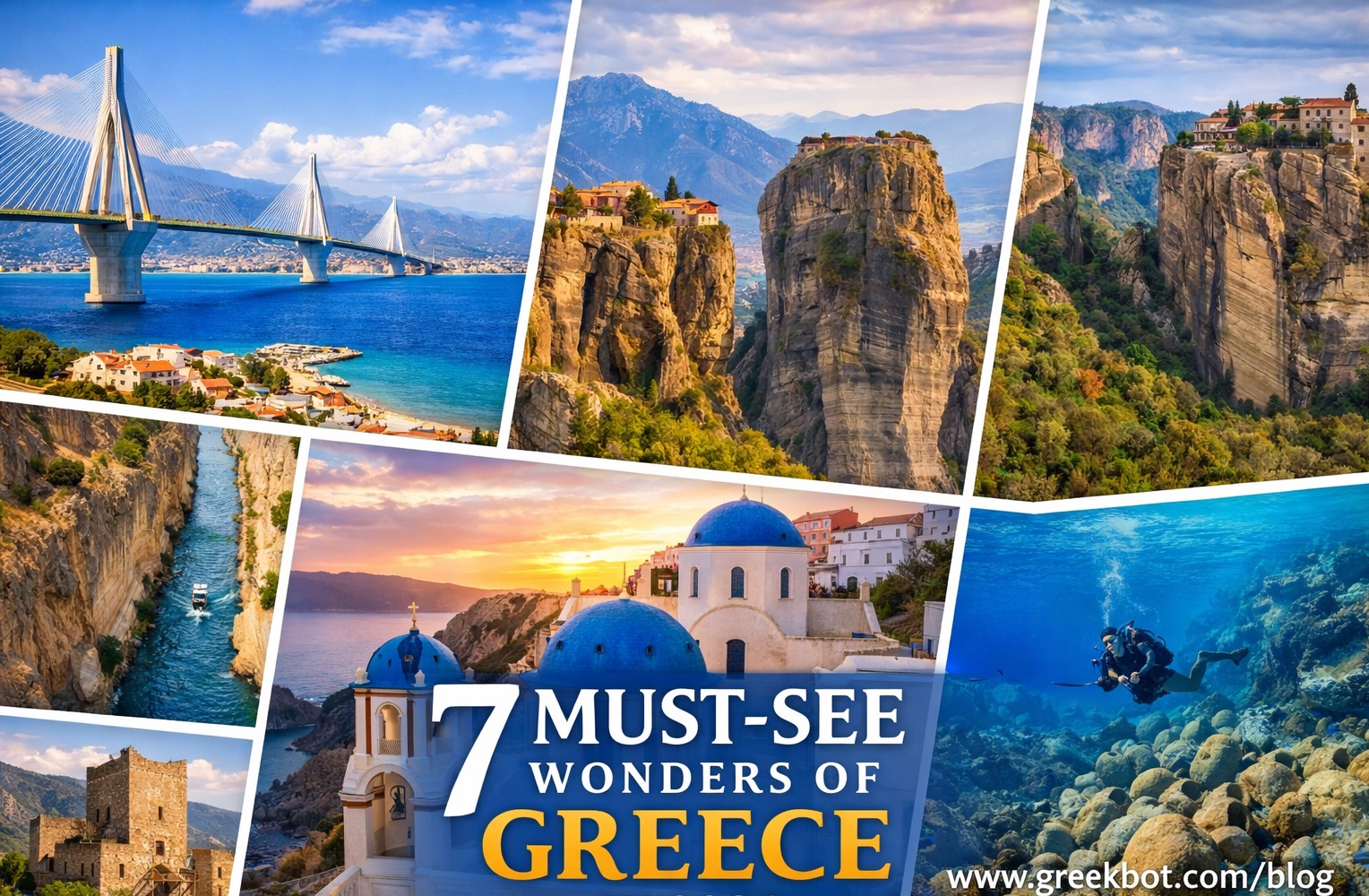
With Europe’s longest coastline lined with golden sands, hidden coves, and charming harbors where brightly painted kaiki fishing boats sway beside seaside tavernas serving just-caught seafood, it’s no surprise that Greece draws beach lovers and sunseekers from around the world. Yet beyond the irresistible appeal of its crystal-clear waters and stunning shores lies a country rich in discovery—stretching from culturally vibrant Macedonia in the north to the wild beauty and unspoiled coastlines of the Peloponnese in the south. From remarkable feats of ancient engineering to mineral-rich springs treasured for their healing properties since antiquity, here are seven wonders truly worth exploring.
- Rio–Antirrio Bridge
With its sweeping, sail-like towers, the world’s longest multi-span cable-stayed bridge appears to glide above the rippling waters of the Rion Strait like a colossal ship. Stretching 2,880 meters, it links the town of Rio on the Peloponnese peninsula with Antirrio on mainland Greece. Completed in 2004 after five years of construction and an investment of around €630 million, this modern engineering marvel transformed travel across the strait. What was once a 50-minute ferry journey can now be crossed in just minutes. Still, you may find yourself slowing down to take it all in—the sweeping views of deep blue waters and the dramatic mountain ranges beyond are nearly as breathtaking as the bridge itself.
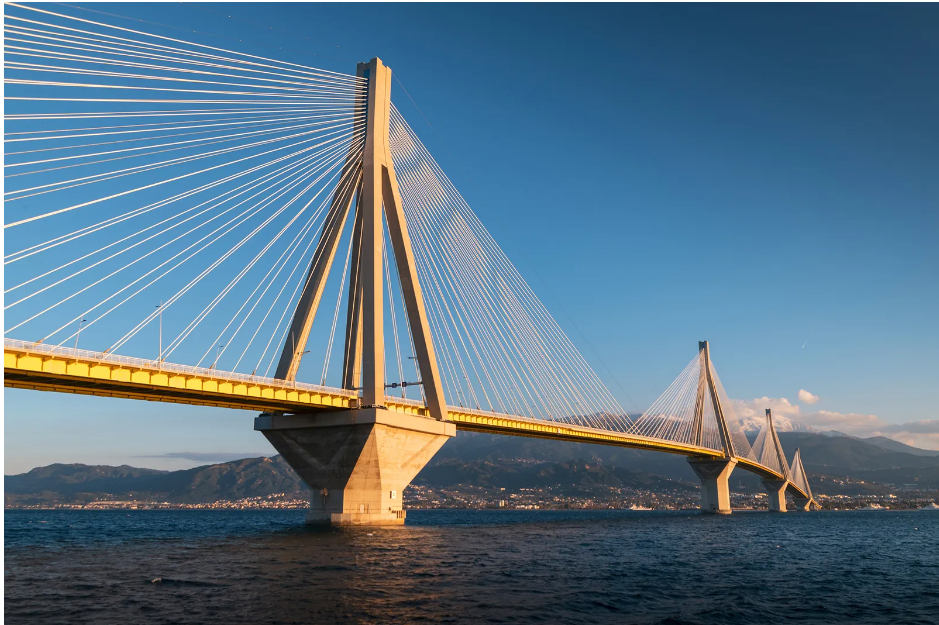
The Rio–Antirrio Bridge resembles ships floating along the water Source: Getty Image
2. Corinth Canal
Standing at the edge of the Corinth Canal as a massive ship threads its way through the astonishingly narrow 21.3-meter-wide passage carved between towering limestone cliffs is nothing short of awe-inspiring. This extraordinary feat of engineering required cutting through kilometers of solid rock. The idea dates back to the 7th century BC, when the ambitious ruler Periander first envisioned a route linking the Ionian and Aegean Seas—an idea many at the time dismissed as impossible. Over the centuries, figures like Alexander the Great and Caligula considered the project, and in 67 AD, Emperor Nero even set 10,000 slaves to work on it, though the effort was abandoned after his death in 68 AD. Construction finally began in 1882, and despite numerous financial and technical challenges, the 6.4-kilometer canal connecting the Gulf of Corinth to the Saronic Gulf was completed in 1893. For thrill-seekers, there’s even the chance to experience it from above with a daring bungee jump.
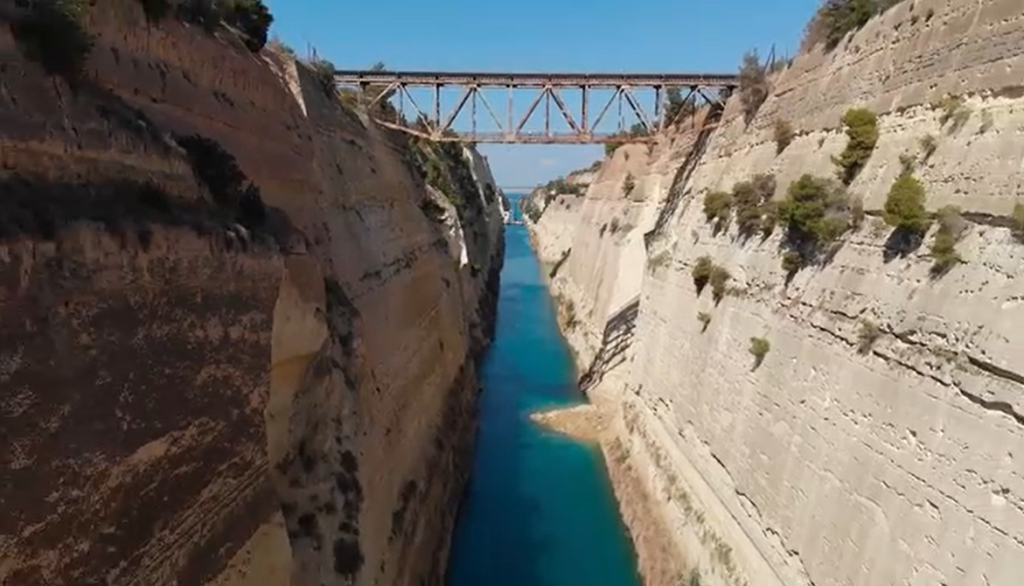
Corinth Canal is a pathway between the Ionian and Aegean seas Source: Getty images
3. Mani Towers
Beginning just south of Kalamata and stretching down to Cape Tainaron—once believed to be the gateway to the Underworld—the rugged region of Mani occupies the central “finger” of the Peloponnese. Framed by the imposing Taygetus Mountains, this wild, thyme-scented landscape remained largely isolated until the 1970s, when a road finally connected it to the outside world.
Scattered across the terrain are the distinctive pyrgospita—tall, narrow stone tower houses resembling church belfries—once used by rival clans who engaged in centuries-long feuds, launching cannonballs from their fortified homes. Today, the conflict has faded, leaving behind a hauntingly beautiful heritage. Visitors can wander through atmospheric villages like Vathia and Pyrgos, sample local delicacies such as smoked pork sygklino and fresh myzithra cheese at traditional spots like Barba Petros, and even spend the night in a restored tower house—hopefully enjoying the peace rather than reviving the battles of the past.
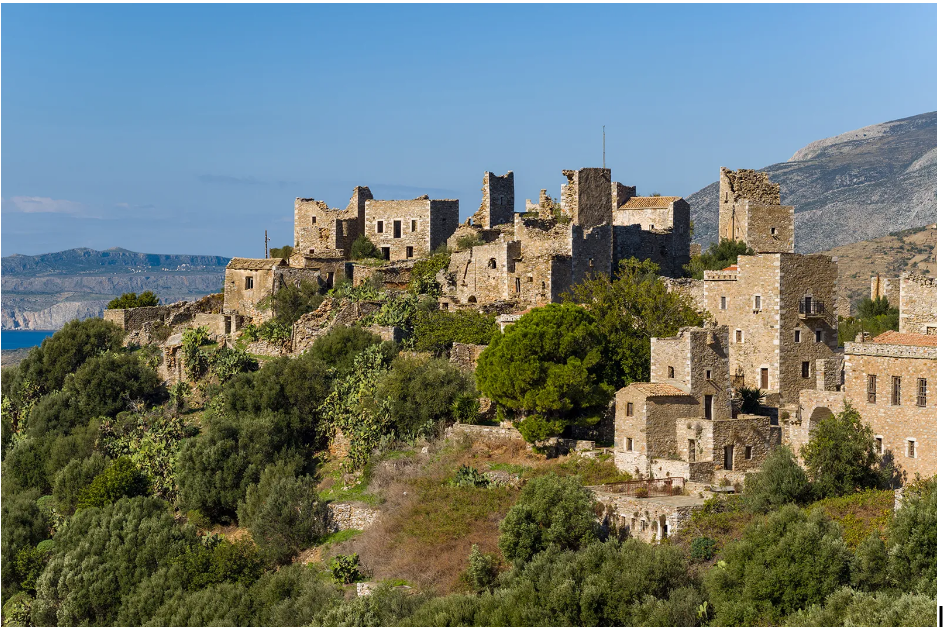
The Mani Towers are in the Pelopponese Source: Getty Images
4. Hot Springs, Edipsos
Since a Roman general was reportedly healed of a mysterious skin condition here in 84 BC, the seaside town of Edipsos—on the northern gulf of Evia—has drawn visitors in search of the therapeutic powers of its mineral-rich waters. Over the centuries, figures such as Aristotle and Maria Callas have been among those who came to soak in springs believed to ease ailments ranging from eczema to stress-related conditions.
Flowing naturally at around 35°C, the hot springs weave through the town in a striking display—trickling along narrow canals in the center and cascading in steamy waterfalls from seaside cliffs. For a more indulgent experience, several hotels have incorporated these healing waters into their facilities. Among them, Thermae Sylla stands out, offering a renowned spa complex complete with both indoor and outdoor pools fed directly by the thermal springs.
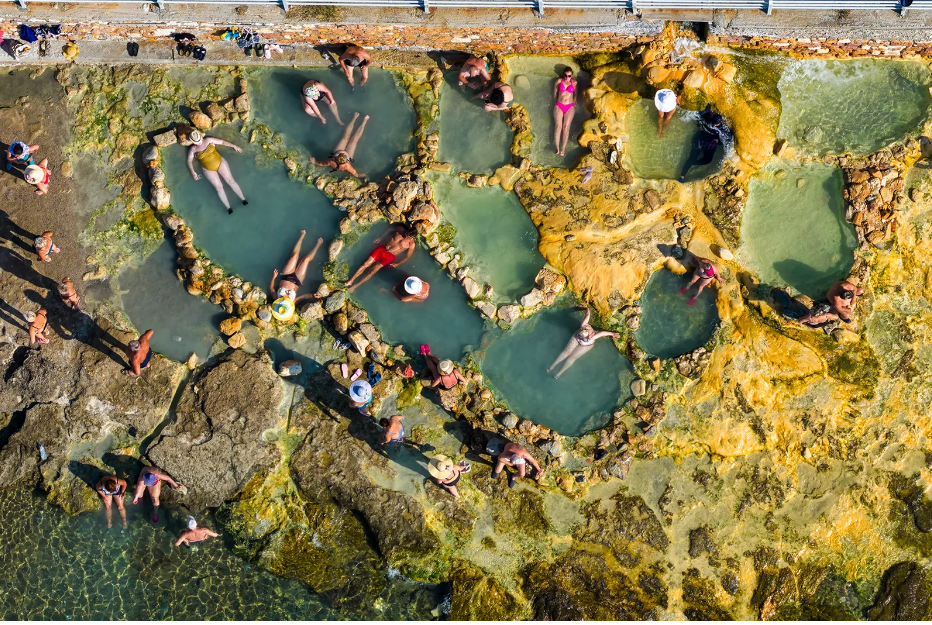
Hot springs bubble out of the ground at 35°C Source: Getty Images
5. Parthenon of Shipwrecks, Alonissos
Home to the Mediterranean’s first underwater museum, Alonissos is one of the most remote gems in the Sporades, alongside islands like Skopelos—famous as the setting for Mamma Mia!—and the lively Skiathos.
Often referred to as Greece’s “Parthenon of shipwrecks,” this remarkable site is an ancient merchant vessel that sank off the island’s coast in the 5th century BC, carrying thousands of wine amphorae. Resting about 20 meters beneath crystal-clear waters, it lies within the protected National Marine Park of Alonissos, a vast sanctuary where endangered monk seals are frequently spotted.
Beyond the underwater wonder, visitors can unwind in the island’s charming capital, Hora. Here, tucked along its cobbled streets, Hayiati offers a perfect vantage point—along with some of the island’s finest cinnamon-dusted galatopita milk pie—to round off the experience.
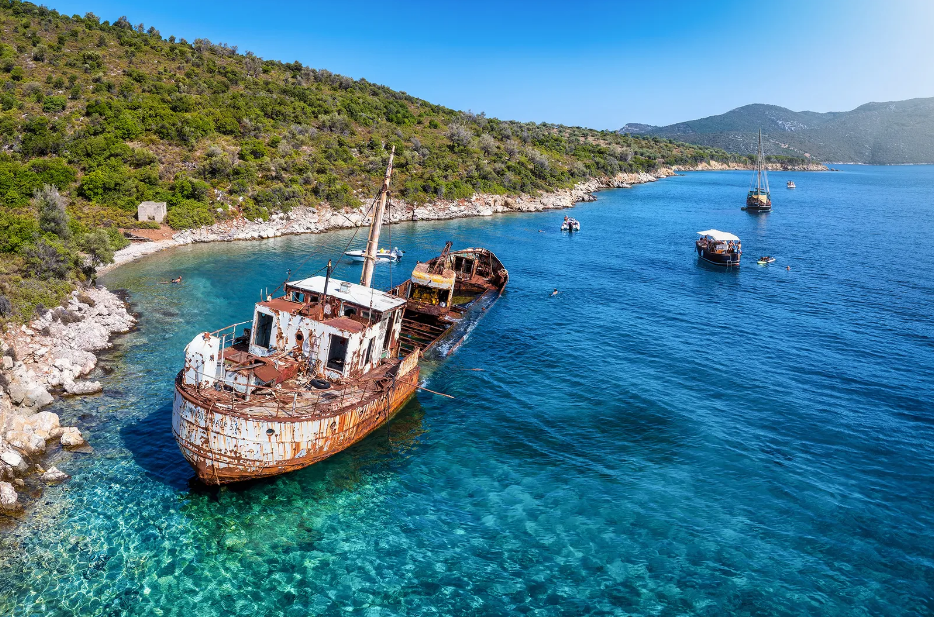
The Parthenon shipwreck is on one of the Sporades most remote island Source: Getty Images
6. Teriade Museum, Lesvos
Among the many hidden treasures of Lesvos, the Teriade Museum stands out as an unmissable cultural gem. Housed in the former family home of Stratis Eleftheriades-Teriade, the museum celebrates a man deeply connected to the art world. After studying in Paris, Teriade formed close relationships with some of the 20th century’s most influential artists and invited many of them to visit Lesvos. He also collaborated with them on his renowned art magazine Verve, which he published from 1937 to 1960.
Today, the museum showcases original works by iconic figures such as Marc Chagall, Pablo Picasso, and Henri Matisse, among others. While a collection of this caliber would typically draw large crowds in major cities, here on Lesvos, you can often enjoy it in peaceful solitude—making the experience all the more special.
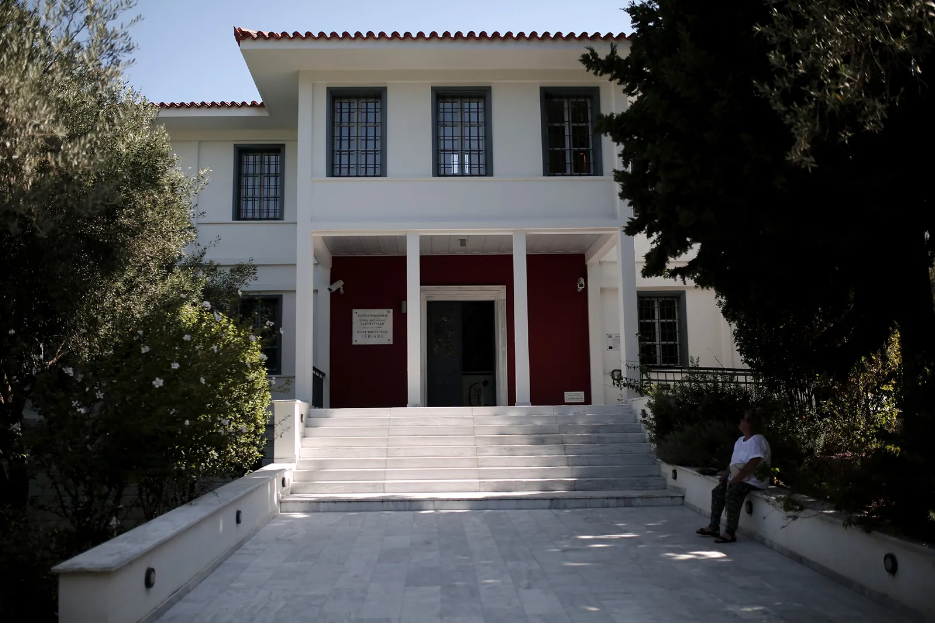
An art haven in Lesvos Source: Getty Images
7. The Magical Meteora Monasteries
It’s no surprise that the breathtaking Meteora monasteries have featured in major Hollywood productions like Clash of the Titans and Game of Thrones. Dramatically perched atop towering rock pillars, these medieval monasteries rise from the flat plains of Thessaly like something out of a dream.
The six monasteries—named from the Greek word meteorizo, meaning “suspended in the air”—remain surprisingly uncrowded, perhaps due to their location near Kalambaka, a quiet town about a four-hour drive from Athens. Yet the journey is more than worth it. Highlights include visiting Agia Triada Monastery, famously featured in the For Your Eyes Only, and exploring Moni Varlaam, a 16th-century marvel once accessed by rope nets used to lift monks up the cliffs—today replaced by a steep climb of 195 steps carved into the rock.
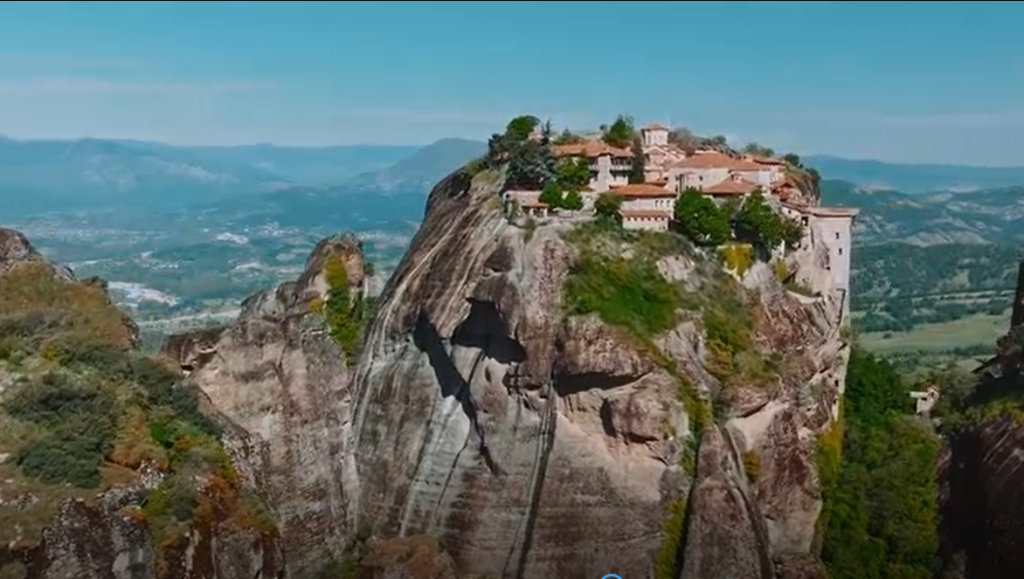
The magical Mateora monastery Source: Getty
Source: cntraveller Edited by Bernie