
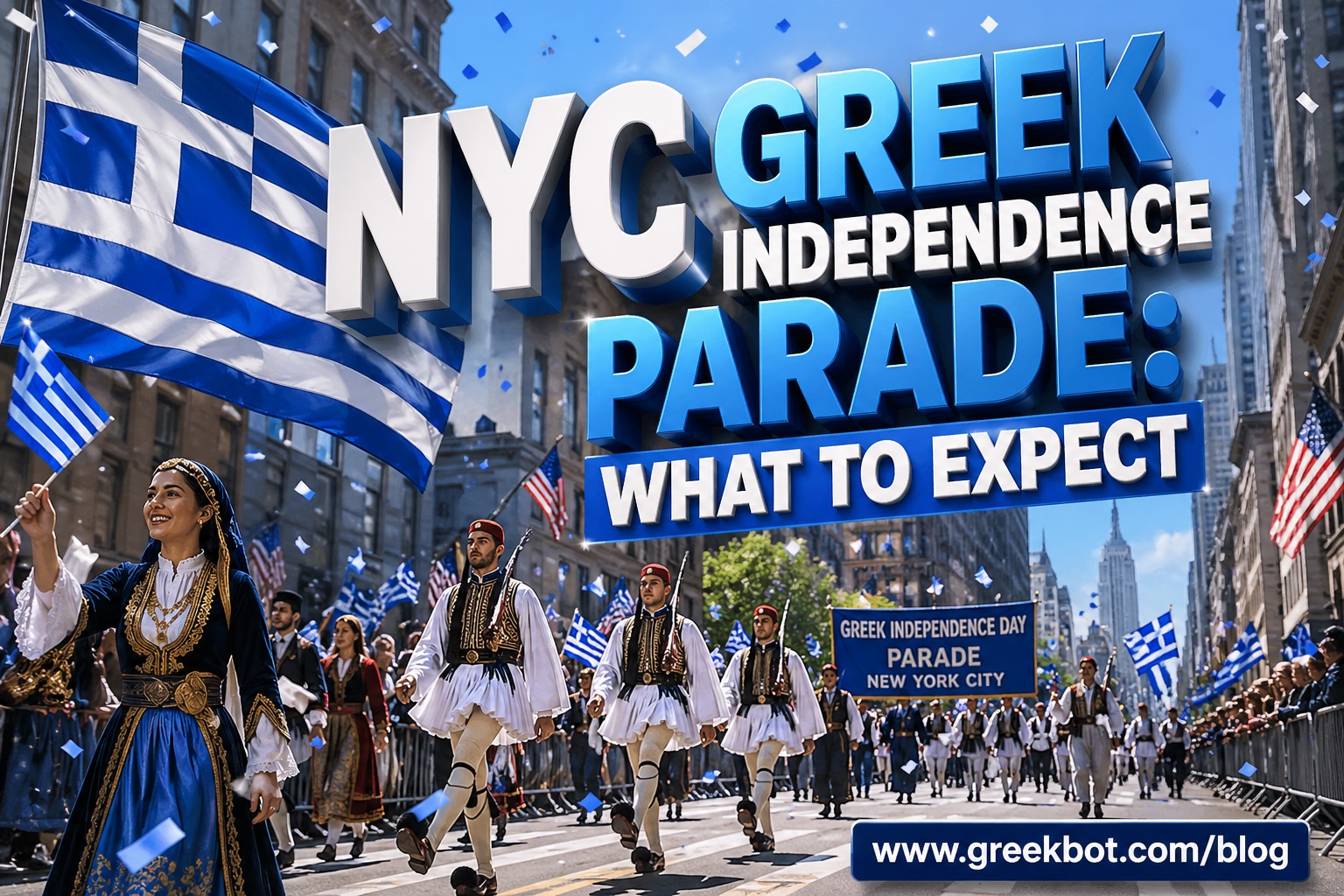
Every spring, one of the most vibrant cultural celebrations in the United States takes over New York City—the Greek Independence Day Parade. Held along the iconic Fifth Avenue, this annual event is more than just a parade; it’s a powerful tribute to history, heritage, and identity.
What Is the Greek Independence Day Parade?
The Greek Independence Day Parade in New York City is an annual celebration honoring Greece’s independence from the Ottoman Empire, which began on March 25, 1821.
Organized by the Federation of Hellenic Societies of Greater New York, the parade has been a longstanding tradition since 1938. It is considered the largest Greek Independence Day parade in the United States, drawing thousands of participants and spectators each year.
More than a historical commemoration, the event celebrates Greek culture, achievements, and the enduring spirit of freedom shared between Greece and the United States.
When and Where It Happens
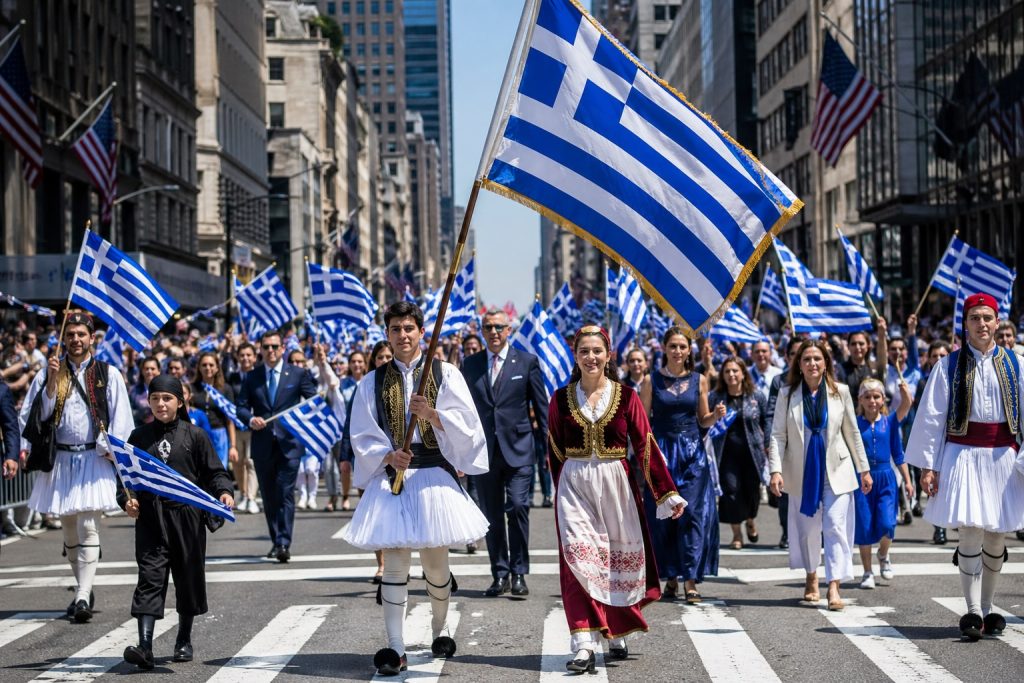
The parade typically takes place in April, close to the original March 25 independence anniversary. It runs along Fifth Avenue in Manhattan, usually between 64th and 79th Streets.
The 2026 parade is scheduled for April 26 and is expected to run from early afternoon until about 4:30 p.m., with thousands in attendance.
What to Expect at the Parade
1. A Sea of Blue and White
Expect Fifth Avenue to be filled with Greek flags, traditional costumes, and proud Greek-Americans celebrating their roots. The atmosphere is festive, patriotic, and deeply emotional.
2. Cultural Displays and Performances
The parade features:
- Traditional Greek dance groups
- Cultural organizations and community associations
- Schools and youth groups
- Marching bands and music
These performances highlight the richness of Greek heritage and regional traditions.
3. Floats and Marching Units
Colorful floats line up before the parade and proceed down the avenue in an organized procession. Each float often represents a cultural group, business, or organization within the Greek diaspora.
4. The Evzones and Ceremonial Opening
One of the most iconic moments is the appearance of the Evzones—the elite ceremonial guards of Greece—who often lead the parade in traditional uniform, symbolizing national pride and history.
5. Dignitaries and Grand Marshals
The parade regularly features prominent figures, including politicians, business leaders, and cultural icons as Grand Marshals. In 2026, notable Greek-American leaders and organizations are expected to headline the event.
6. A Strong Sense of Community
Perhaps the most powerful aspect of the parade is the unity it fosters. Greek-Americans from across the U.S. and beyond gather to celebrate their shared identity, often traveling long distances to participate.
Why It Matters
The Greek Independence Day Parade is more than a cultural festival—it’s a living symbol of resilience, freedom, and diaspora pride. It connects generations of Greek-Americans to their roots while showcasing Greek culture to a global audience.
It also highlights the historical bond between Greece and the United States, celebrating shared democratic values and the enduring importance of independence.
Tips for Attending
- Arrive early: Crowds gather quickly along Fifth Avenue.
- Find a good viewing spot: Areas near the middle of the route often offer the best views.
- Bring essentials: Water, comfortable shoes, and weather-appropriate clothing.
- Expect security and road closures: Plan your transportation in advance.
Whether you’re Greek or simply love cultural celebrations, the Greek Independence Day Parade in New York City is an unforgettable experience. It blends history, culture, music, and community into one powerful event that transforms the city into a celebration of Hellenic pride.
If you ever find yourself in New York in April, this is one parade you won’t want to miss.