
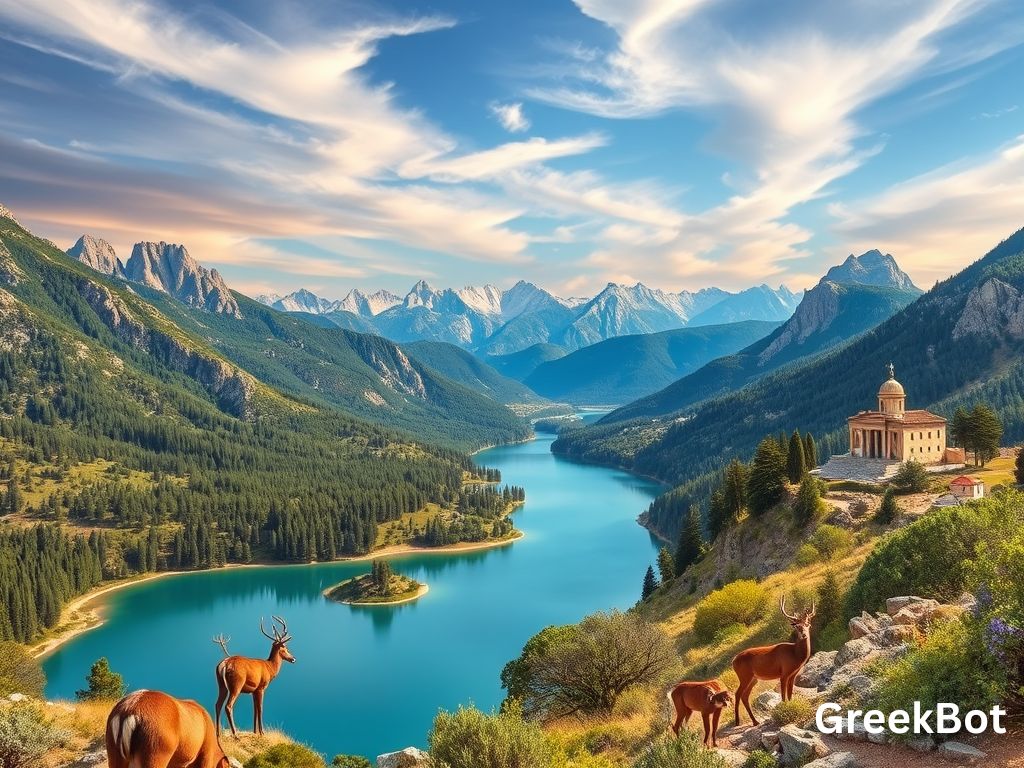
Greece, renowned for its ancient history and stunning landscapes, is also home to an array of national parks that play a crucial role in preserving the country’s unique biodiversity and natural beauty. Spanning mountains, forests, wetlands, and coastlines, these protected areas are vital for conservation efforts and provide sanctuary for rare species and habitats. With a rich tapestry of ecosystems, Greece’s national parks are not only important for wildlife but also for the cultural heritage of the nation.
A Diverse Landscape
Greece’s geography is incredibly varied, featuring rugged mountains, lush forests, sprawling plains, and a coastline dotted with islands. This diversity supports a wide range of ecosystems, making it one of Europe’s biodiversity hotspots. The national parks of Greece are instrumental in safeguarding this rich natural heritage while offering recreational opportunities and educational experiences for visitors.
Major National Parks
- Mount Olympus National Park
- Location: Thessaly region
- Highlights: Home to Greece’s highest peak, Mount Olympus, this park is a UNESCO Biosphere Reserve. It hosts over 1,700 plant species, including endemic varieties, and is a haven for wildlife, including deer, wolves, and numerous bird species. The park’s dramatic landscapes, from lush valleys to rocky peaks, attract hikers and adventurers seeking to explore the legendary home of the Greek gods.
- Prespa Lakes National Park
- Location: Northern Greece, bordering Albania and North Macedonia
- Highlights: Famous for its stunning lakes and rich flora and fauna, Prespa is crucial for migratory birds. The park encompasses unique ecosystems, including wetlands and mountainous terrains, supporting diverse wildlife such as pelicans and otters. The picturesque setting, with its tranquil waters and vibrant birdlife, makes it a popular destination for birdwatchers and nature lovers alike.
- Samaria Gorge National Park
- Location: Crete
- Highlights: This park features one of Europe’s longest gorges, attracting hikers and nature enthusiasts. It is home to the Cretan wild goat (Kri-Kri) and a variety of plant species, many of which are endemic to the island. The dramatic scenery of steep cliffs and lush vegetation offers a unique hiking experience, culminating in breathtaking views of the Libyan Sea.
- Pindus National Park
- Location: Epirus region
- Highlights: Known for its rugged mountains and deep gorges, this park is rich in biodiversity. It contains diverse habitats, from dense forests to alpine meadows, supporting species such as brown bears, wolves, and many bird species. The park offers various trails for trekking, leading visitors through pristine nature and picturesque villages.
- Chalkidiki National Park
- Location: Northern Greece
- Highlights: This park is celebrated for its pristine beaches and crystal-clear waters. It is also a site of ecological significance, providing habitats for various marine species and seabirds. The mix of sandy shores and lush pine forests creates a stunning backdrop for outdoor activities such as swimming, hiking, and camping.
Lesser-Known National Parks
While the prominent parks attract many visitors, Greece is home to several lesser-known national parks that are equally deserving of attention:
- Sounion National Park: Located near Athens, it features the iconic Temple of Poseidon and beautiful coastal landscapes. The park is rich in both history and biodiversity, with various species of flora and fauna thriving in the Mediterranean climate.
- Vikos-Aoos National Park: This UNESCO Global Geopark is famous for its dramatic gorges and rich biodiversity. It is home to the Vikos Gorge, one of the deepest in the world, and offers hiking trails that showcase breathtaking scenery and diverse wildlife.
- Kalimera National Park: Situated in the Cyclades, this park is known for its stunning landscapes and unique geological formations. It protects vital habitats for endemic species and offers opportunities for eco-tourism and sustainable practices.
Conservation Efforts
The establishment of national parks in Greece is part of a broader effort to protect the environment and promote sustainable tourism. These parks are managed by the Greek government and various NGOs, focusing on conservation, research, and education.
Community Involvement
Engaging local communities in conservation efforts is crucial. Many national parks work with local residents to promote sustainable practices that benefit both the environment and the economy. This collaboration ensures that the parks are not only protected but also contribute to the livelihoods of those living nearby.
Research and Education
Scientific research conducted in these parks helps monitor biodiversity and assess the health of ecosystems. Educational programs aimed at schools and tourists raise awareness about the importance of conservation and the need to protect these natural treasures. Workshops, guided tours, and volunteer programs foster a deeper understanding of Greece’s unique environments.
Challenges Facing National Parks
Despite these efforts, Greece’s national parks face several challenges:
- Climate Change: Altered weather patterns threaten ecosystems and species. Rising temperatures and changing precipitation patterns can lead to habitat loss and changes in species distribution.
- Tourism Pressure: Increased visitor numbers can lead to habitat degradation, littering, and the strain on local resources. Sustainable tourism practices are essential to mitigate these impacts while still allowing people to enjoy the natural beauty of the parks.
- Invasive Species: Non-native species can disrupt local ecosystems, often outcompeting native flora and fauna. Efforts to manage invasive species are crucial for preserving biodiversity.
- Urbanization and Development: Encroaching development can threaten the integrity of protected areas. Effective land-use planning and enforcement of regulations are necessary to safeguard these natural environments.
The Importance of Biodiversity
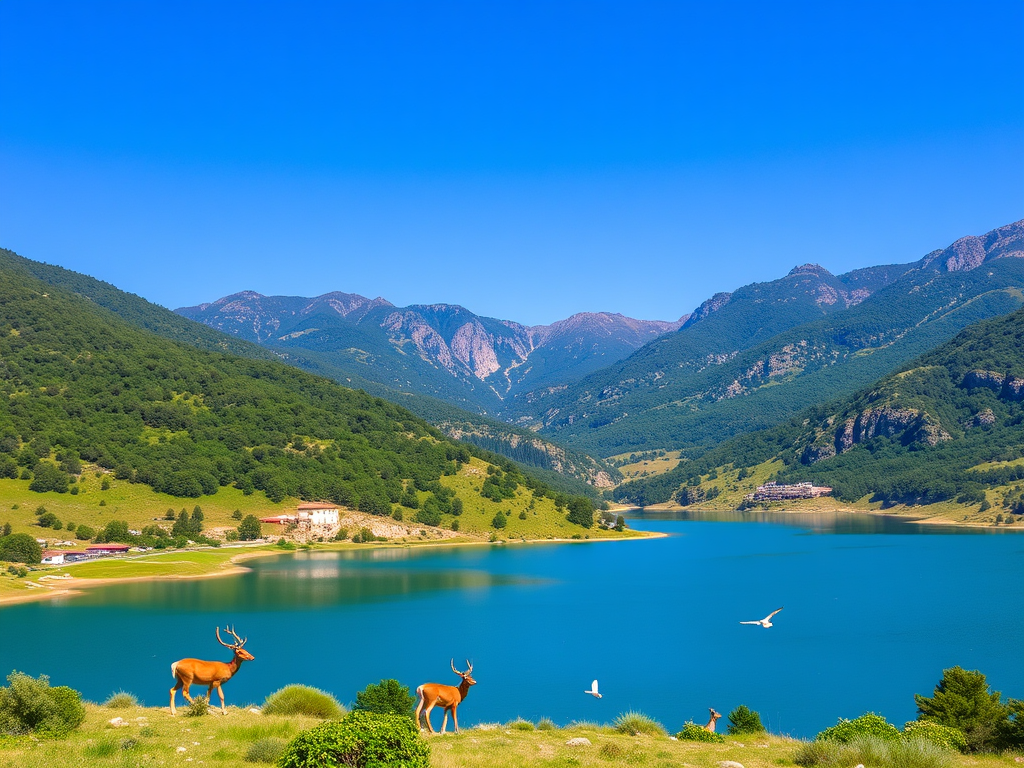
Biodiversity is essential for a healthy ecosystem, providing services such as clean air and water, pollination of crops, and climate regulation. The national parks of Greece not only protect these vital resources but also enhance the country’s cultural heritage, offering a glimpse into the natural world that has shaped Greek civilization.
Cultural Significance
Many national parks hold significant cultural and historical value, featuring ancient ruins, traditional villages, and archaeological sites. The interaction between humans and nature in these areas has created a rich tapestry of traditions and practices that are integral to Greece’s identity.
Conclusion
Greece’s national parks are treasures that embody the country’s natural beauty and biodiversity. By protecting these areas, Greece not only preserves its ecological heritage but also ensures that future generations can experience the rich landscapes and diverse wildlife that define this remarkable region. As stewards of these natural wonders, it is essential to promote sustainable practices and awareness to protect the unique ecosystems that thrive within Greece’s national parks.
Ultimately, the preservation of these parks is not just about safeguarding nature; it is about maintaining a connection to the past, fostering community engagement, and ensuring that the beauty and biodiversity of Greece continue to inspire and enrich lives for years to come.